

State Parks
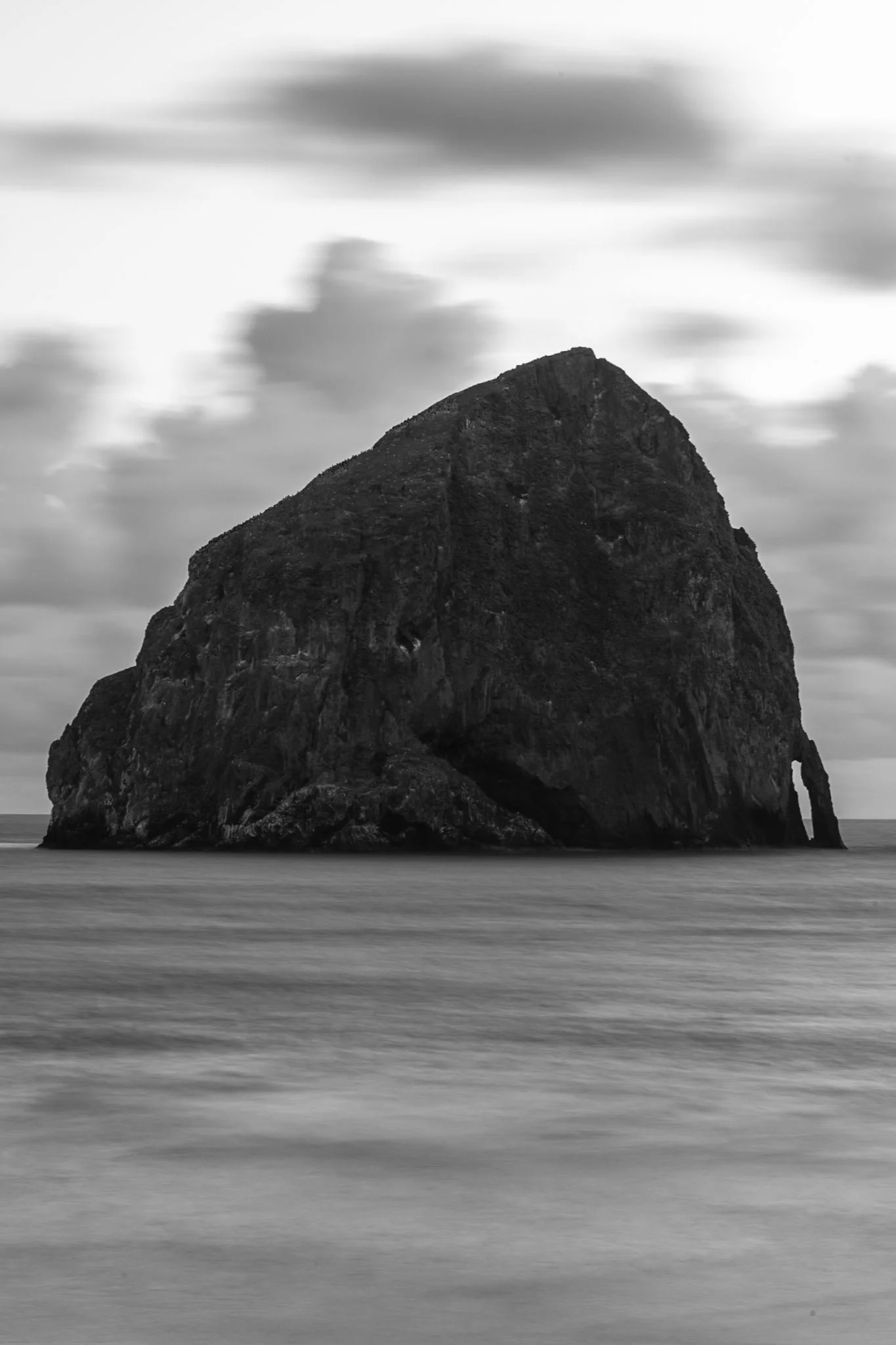
Haystack Rock near Pacific City, also known as Chief Kiwanda Rock, is an enormous sea stack located just offshore from Cape Kiwanda in Pacific City, Oregon.
Standing approximately 327 feet, it is one of the tallest sea stacks on the Oregon coast, even taller than the more famous Haystack Rock in Cannon Beach.
This was taken during a bustling evening near the Pelican Brewing Company, where patrons dined as the light broke through at golden hour, giving way to these stunning clouds behind the sea stack. After taking a sunset shot, I found the solitary nature of the rock against the ocean waves fascinating and wanted a visual that gave a sense of its unmoving nature over the past 17 million years.
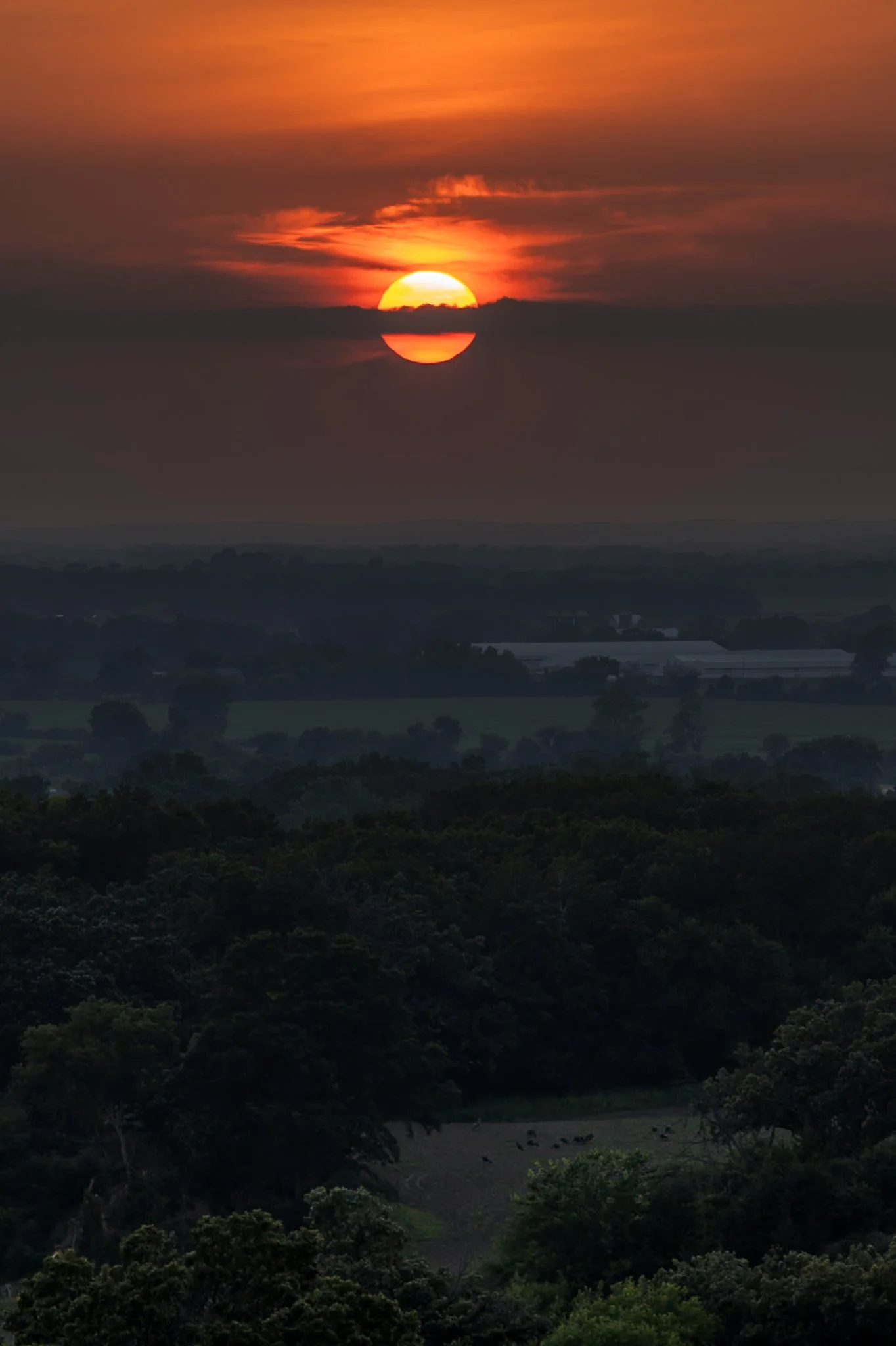
Kettle Moraine is a beautiful unique region in southeastern Wisconsin, shaped by the massive glaciers carving the landscape during the last ice age. The area features continuous rolling hills, deep valleys, and kettle lakes.
Named for the unique glacial carvings, kettles exist as depressions in the earth that fill with water over time, creating serene ponds and lakes. John Muir’s family immigrated to Wisconsin as a child, settling on a farm near the rugged terrain of the Kettle Moraine. This area played a crucial role in shaping his philosophy of conservation and his advocacy for preserving wild spaces.
Hiking through the forests of Kettle Moraine was an experience i did not expect. Each turn reveals a new region distinct from the last. This hike from my campsite to the one prominent overlook in the area ended with a stunning sunset overlooking the pastoral lands below.

Starved Rock State Park in LaSalle County, Illinois transforms into a stunning winter landscape, with its waterfalls freezing into towering columns of ice. These frozen waterfalls are a major seasonal attraction, drawing hikers, photographers, and ice climbers to the park’s deep sandstone canyons.
Formed by melting snow and natural springs, the waterfalls normally flow through narrow cliff faces, but in winter, they become massive ice formations, sometimes reaching over 80 feet tall. The contrast between the icy formations and the ancient, rust-colored rock walls creates a dramatic and otherworldly scene.
This photo required some careful maneuvering to get to the right position as well as making sure my tripod stayed stable on the ice. This dead leaf stood out among a sea of white and grey and allowed me to capture a long exposure yet the leaf remained still. Taken earlier in my career, I had not come to appreciate the magic of crampons when navigating slick ice.

Carl G. Washburne Memorial State Park may be the one of the most scenic stretches of the entire Oregon Coast. Located about 15 miles north of Florence, and only a few miles past Heceta Head Lighthouse (a trail connects the two parks), the surrounding area offers a portal to another world.
The China Creek Trail weaves through coastal forests terminating on the beach, and the picturesque Hobbit Trail, known for its moss-draped trees and old-growth forest, make the hiking here magical.
This photograph was taken moments after sundown, following a chaotic two hours of trying to photography too many areas at once. I used the last remaining daylight to grab this abstract before retiring to my campsite across the main road. The park is a quiet place, unassuming, and it is here that shows Oregon’s true beauty.

Carl G. Washburne Memorial State Park may be the one of the most scenic stretches along the entire Oregon Coast. Located about 15 miles north of Florence, and only a few miles past Heceta Head Lighthouse (a trail connects the park), this area offers a portal to another world.
The China Creek Trail which weaves through coastal forests terminating on the beach, and the picturesque Hobbit Trail known for its moss-draped trees and old-growth forest.
This photograph was taken after sundown following a chaotic two hours of photographing. I used the last remaining daylight to grab this abstract before retiring to my campsite across the main road. It is a quiet place, unassuming, and it is here that shows Oregon’s true beauty.

Highway 1 through Big Sur, California, is one of the most iconic drives in the world, offering dramatic views of the rugged Californian coast. Known for its winding road, narrow bridges, and steep cliffs, this section of highway hugs the coastline for nearly 90 miles before terminating just south of San Francisco.
Originally completed in the 1930s using convict labor and WPA funding, the road has been repeatedly closed and rebuilt due to landslides and erosion common in the area. Despite its challenges, Highway 1 remains a vital lifeline for Big Sur’s small communities and tourism-based economy.
Driving the One is something that cannot be described and must be experienced. This shot was accomplished by holding the camera out the driver’s side window, making sure I had a high shutter speed to stop motion, and trying to angle it in a way that might lead to a good composition. It was a lucky shot and not a great way to photograph, safety first.

Heceta Head is one of the most iconic and picturesque stretches along the Oregon Coast. Known for its historic lighthouse, dramatic cliffs, and panoramic views of the Pacific Ocean, it must be seen to be believed.
Located just north of Florence, Oregon, Heceta Head offers a blend of natural beauty, maritime history, and coastal ecology.
This photo came after photographing the Heceta Head lighthouse, which resides right behind this stunning view. The road curve seen in the distance is also the location of the nation’s only natural Sea Lion caves, accessible to tourists via an elevator.

Starved Rock State Park in LaSalle County, Illinois transforms into a stunning winter landscape, and its waterfalls freeze into towering columns of ice. These frozen waterfalls are a major seasonal attraction, drawing hikers, photographers, and ice climbers to the park’s deep sandstone canyons.
Formed by melting snow and natural springs, the waterfalls normally flow through narrow cliff faces, but in winter, they become massive ice formations, sometimes reaching over 80 feet tall. The contrast between the icy formations and the ancient, rust-colored rock walls creates a dramatic and otherworldly scene.
This photo required some careful maneuvering to get to the right position as well as making sure my tripod stayed stable on the ice. Taken earlier in my career, I had not come to appreciate the magic of crampons when navigating slick ice.

The Oregon Coast holds many treasures and its relationship with the Pacific leads to its dramatic cliffs. Stretching endlessly westward, the Pacific creates a boundless horizon that seems to hold no end.
Long before roads carved through these coastal towns dotting the headlands, this was a remote and mysterious frontier. Pirate ships, privateers, and explorers found their way to this region, exploring its untouched mysteries. Legends linger of hidden coves that sheltered their treasures, buried beneath shifting sands or unexplored coves.
This photograph was taken right near the lookout to Heceta Head, and while that lighthouse is as picturesque as any can be, it was this drama playing out in the clouds that drew my eye. It seemed to point me back to an unremembered time, before roads, towns, and civilization.

The Oregon Dunes are one of the most unique and dramatic landscapes along the Oregon Coast, stretching roughly 40 miles from Florence to Coos Bay. Formed over thousands of years by wind, rain, and ocean forces, these dunes make up the largest coastal sand dune system in North America.
Some dunes will reach heights of up to 500 feet, creating a surreal and constantly shifting landscape that feels more like a desert than part of the lush Pacific Northwest. This vast expanse also contains coastal forests, wetlands, and freshwater lakes, making it an incredibly diverse ecosystem.
This lookout, pointing south, shows the beginnings of the dune system. I stopped off on the side of the road to grab this shot on my way to John Dellenback Dunes, one of the highlights of my trip and my first time stepping in quick sand.

Harris Beach State Park, located just north of Brookings, Oregon, is a coastal haven renowned for its dramatic scenery, diverse wildlife, and rich marine ecosystems.
The park's centerpiece is Goat Island (also known as Bird Island), the largest offshore island along the Oregon Coast. This National Wildlife Refuge is a breeding ground for over 100,000 seabirds, including tufted puffins and Leach’s storm-petrels, making it a prime spot for birdwatching.
This photo was taken during a quiet moment alone on the beach as the last vestiges of light began to disappear. Harris Beach is one of my favorite places on the Oregon Coast, offering endless photographic opportunities and true tranquility.

Harris Beach State Park, located just north of Brookings, Oregon, is a coastal haven renowned for its dramatic scenery, diverse wildlife, and rich marine ecosystems.
The park's centerpiece is Goat Island (also known as Bird Island), the largest offshore island along the Oregon Coast. This National Wildlife Refuge is a breeding ground for over 100,000 seabirds, including tufted puffins and Leach’s storm-petrels, making it a prime spot for birdwatching.
This photo was taken during a quiet moment as the last vestiges of light revealed eerie silhouettes of the rock formations surrounding Harris Beach. It is one of my favorite places on the Oregon Coast, offering endless photographic opportunities, a great campsite, and a beach unlike any other.

The Heceta Head Lighthouse, built in 1894, is one of the most photographed lighthouses in Oregon, if not the United States, and remains operational as a navigational aid. One of the original light keepers' houses still stands nearby and now serves as a bed-and-breakfast.
The wildlife here is rife with sea lions, harbor seals, and migrating gray whales often seen from the headland, especially during the spring and winter migration seasons, as well as numerous seabirds who make the cliffs their home.
The waves that slam into the cliffs on a windy day, like the one captured here, shows the sheer force of nature at work. I took this as the mist continually covered my lens, requiring me to wipe it between each exposure as I waited for the rogue wave to strike.
Oregon has been experiencing an uptick in sea lion strandings, particularly along the central and northern coasts. In the fall of 2023, the Oregon Marine Mammal Stranding Network reported several daily calls about sick or dead sea lions.
In Oregon, while pups do sometimes rest alone on beaches naturally, the rising number of reports of lethargic or underweight pups reflects broader ecological challenges. Many of these cases are related to malnutrition, toxins from algal blooms, or disease outbreaks like leptospirosis.
This little guy made my heart pang after running into it when walking into the Devil’s Punchbowl at low tide. There was no one around and I was not sure of the situation until a local apleated and said this was a strange site. We called the OMMSN, and they said it was most likely a mother leaving its pup while it forged some food. The local promised to keep an eye out for a couple hours to see if the mother returned while I pushed on to Portland.