

Animals

Animals
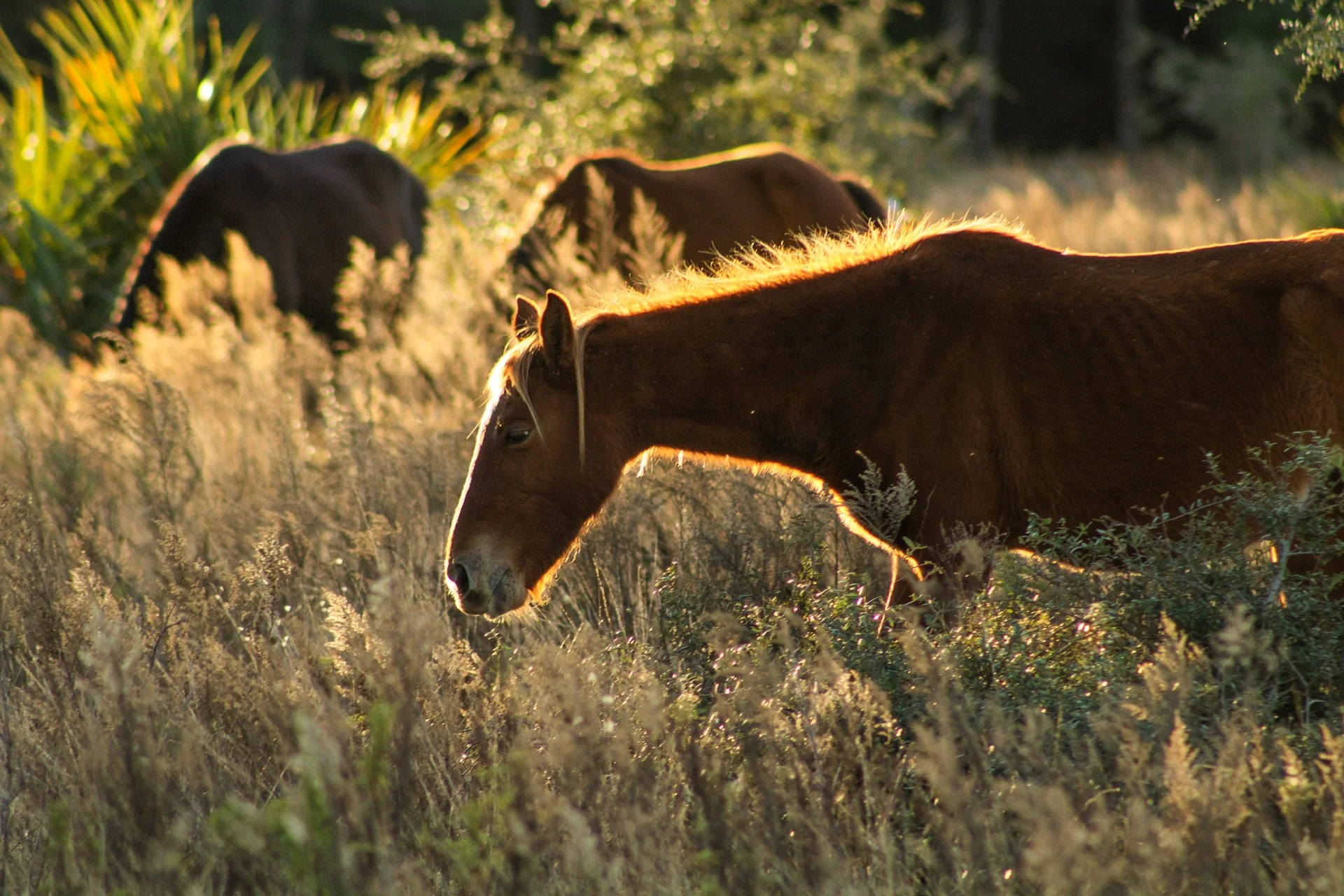
Cumberland Island National Seashore, located near St. Marys, Georgia, is a pristine 18 mile stretch of undeveloped wilderness unique to the East Coast. The island is known for its feral horses, possibly left over from the Spaniards during the 1700s.
The island has a long history, and was once owned by the Carnegie Family who then dedicated the island to the National Park Service in 1972. The island has faced various threats to its wilderness status over the years and has been defended through the continuous efforts of Carol Ruckdeschel, one of the few persons allowed to live on the island.
Heading out from my backcountry campsite to a small airplane landing strip, this area is frequented by the wild horses (technically feral) of the island. I was able to observe this group of horses grazing in golden hour light highlighting the area’s beauty as well as their complicated existence.
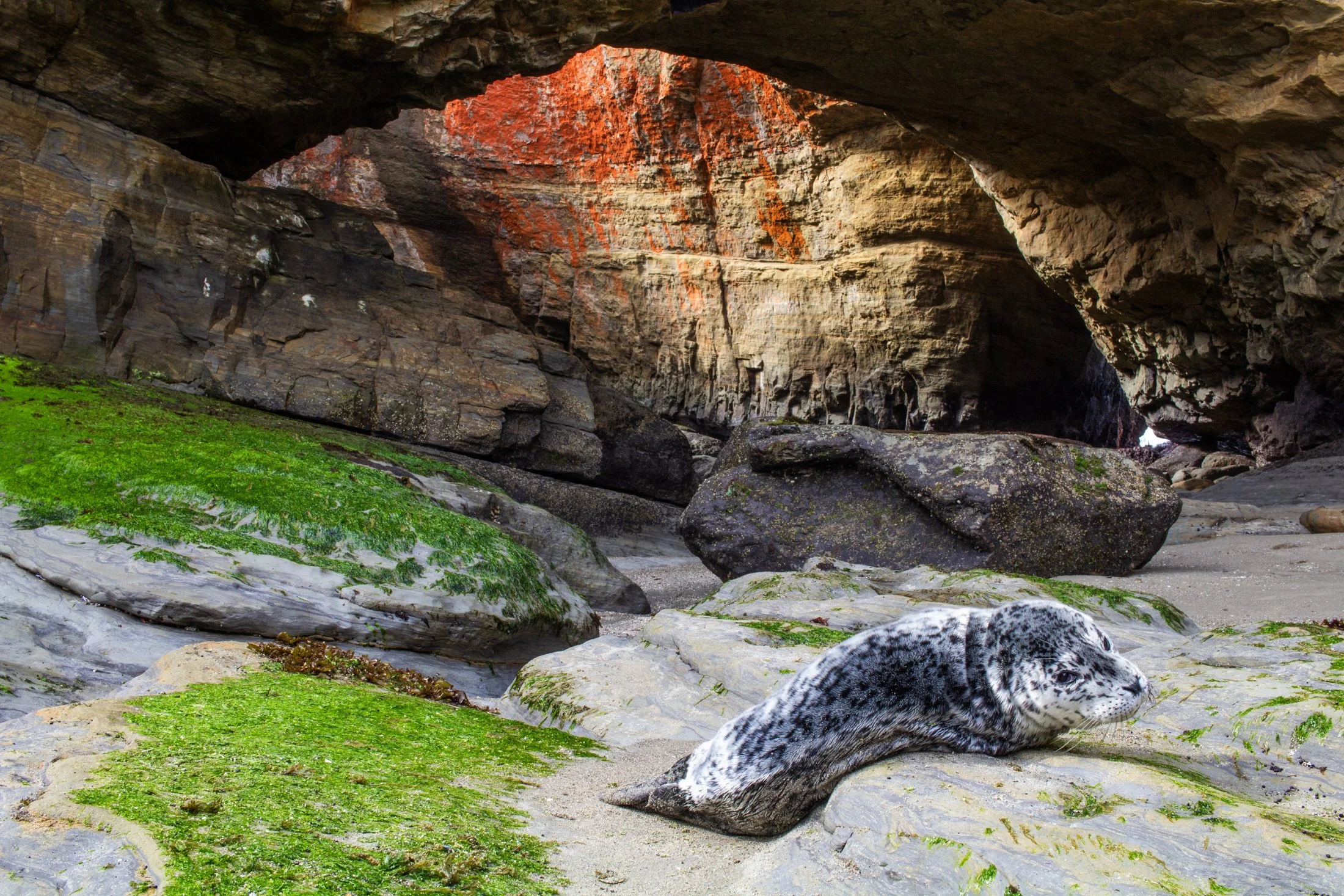
Oregon has been experiencing an uptick in sea lion strandings, particularly along the central and northern coasts. In the fall of 2023, the Oregon Marine Mammal Stranding Network reported several daily calls about sick or dead sea lions.
In Oregon, while pups do sometimes rest alone on beaches naturally, the rising number of reports of lethargic or underweight pups reflects broader ecological challenges. Many of these cases are related to malnutrition, toxins from algal blooms, or disease outbreaks like leptospirosis.
This little guy made my heart pang after running into it when walking into the Devil’s Punchbowl at low tide. There was no one around and I was not sure of the situation until a local apleated and said this was a strange site. We called the OMMSN, and they said it was most likely a mother leaving its pup while it forged some food. The local promised to keep an eye out for a couple hours to see if the mother returned while I pushed on to Portland.
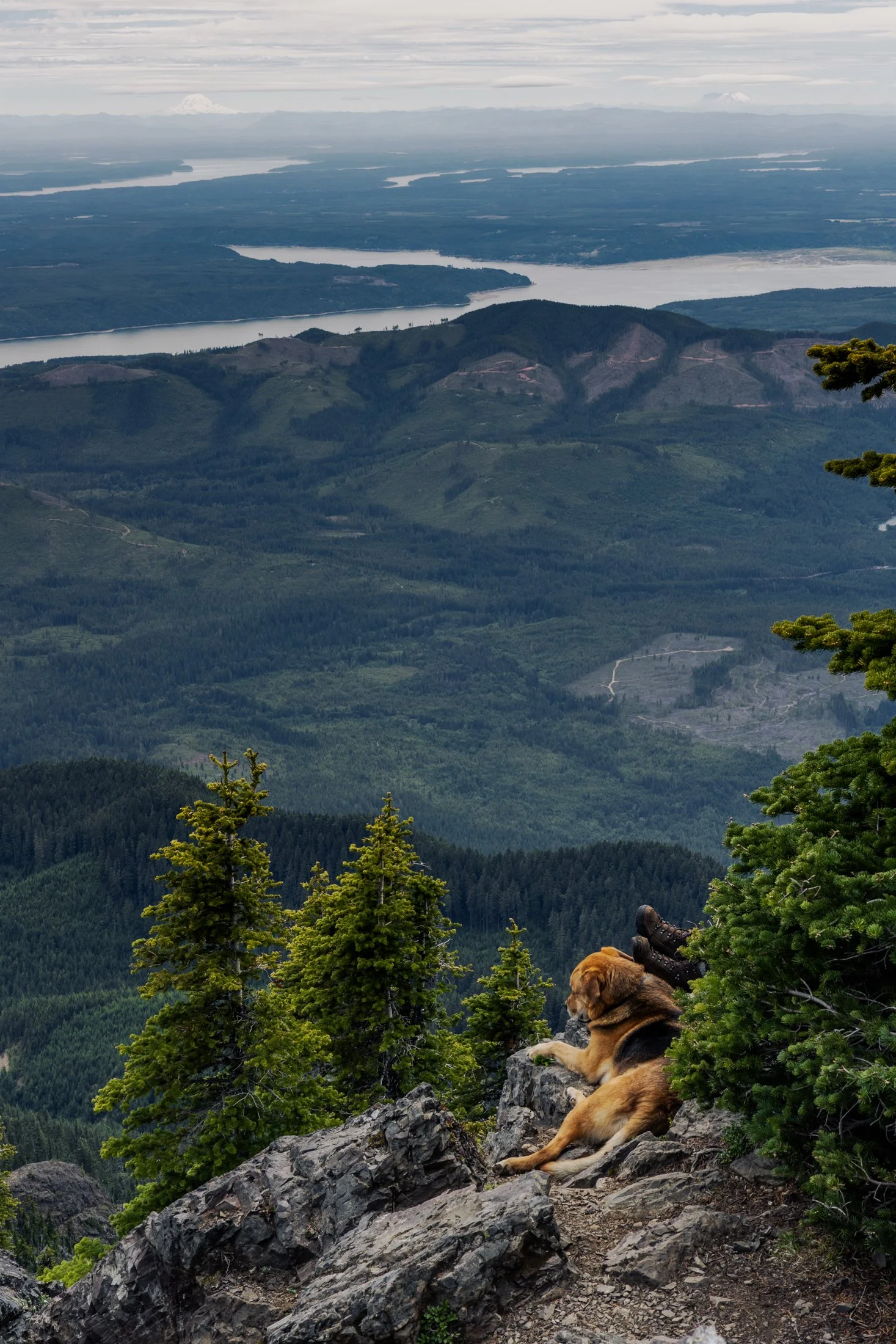
Mount Ellinor is part of the southeastern Olympic Mountains in western Washington state. The mountain is a beautiful one and shows clear signs of past glaciers.
During the ice ages, glaciers carved out the valleys and sharpened the ridges around the area. The views of Lake Cushman become even more amazing when you realize the whole area was shaped by ice and water
This particular photo was taken right after reaching the summit. On the way down I came across curious scene when turning a corner. The boots sticking out next to the owners dog felt like something out of a Dr. Seuss book. This quick snap reminded me dogs hike too.
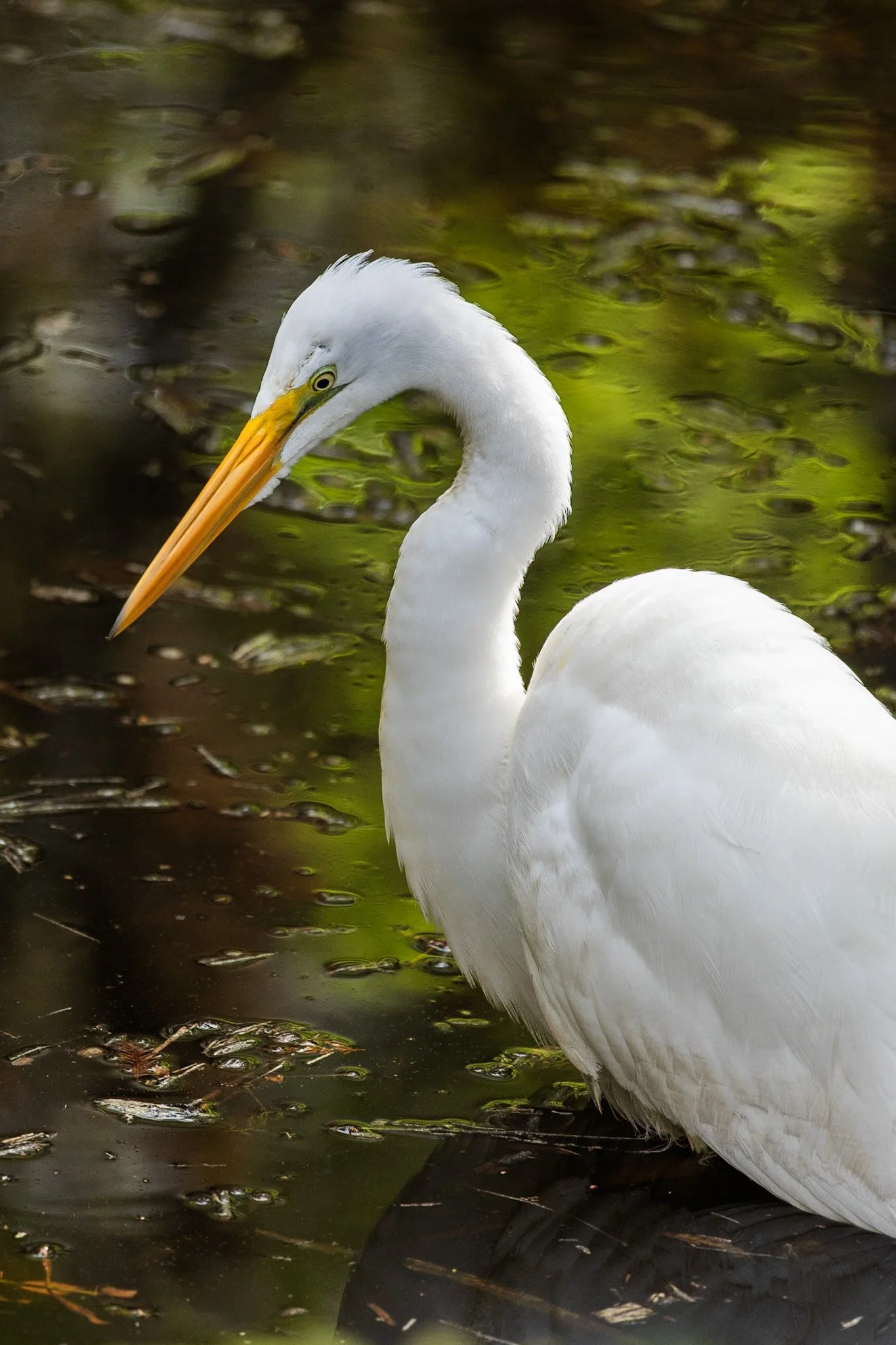
The Great Egret, often referred to as the white heron, is a majestic bird known for its all-white plumage and long, graceful neck. It is an excellent hunter, often seen standing motionless in shallow waters or slowly wading through wetlands in search of fish, amphibians, and small reptiles.
During the breeding season, egrets develop long, delicate plumes on their backs, which were once highly prized in the fashion industry, leading to significant hunting pressure in the late 19th century.
This specific individual waded slowly through in the lowlands of the Everglades as I waited to frame its graceful profile against the swampy abstraction behind it. These birds find a secluded paradise in the Everglades, an area that has been under a constant state of threat since its inception.
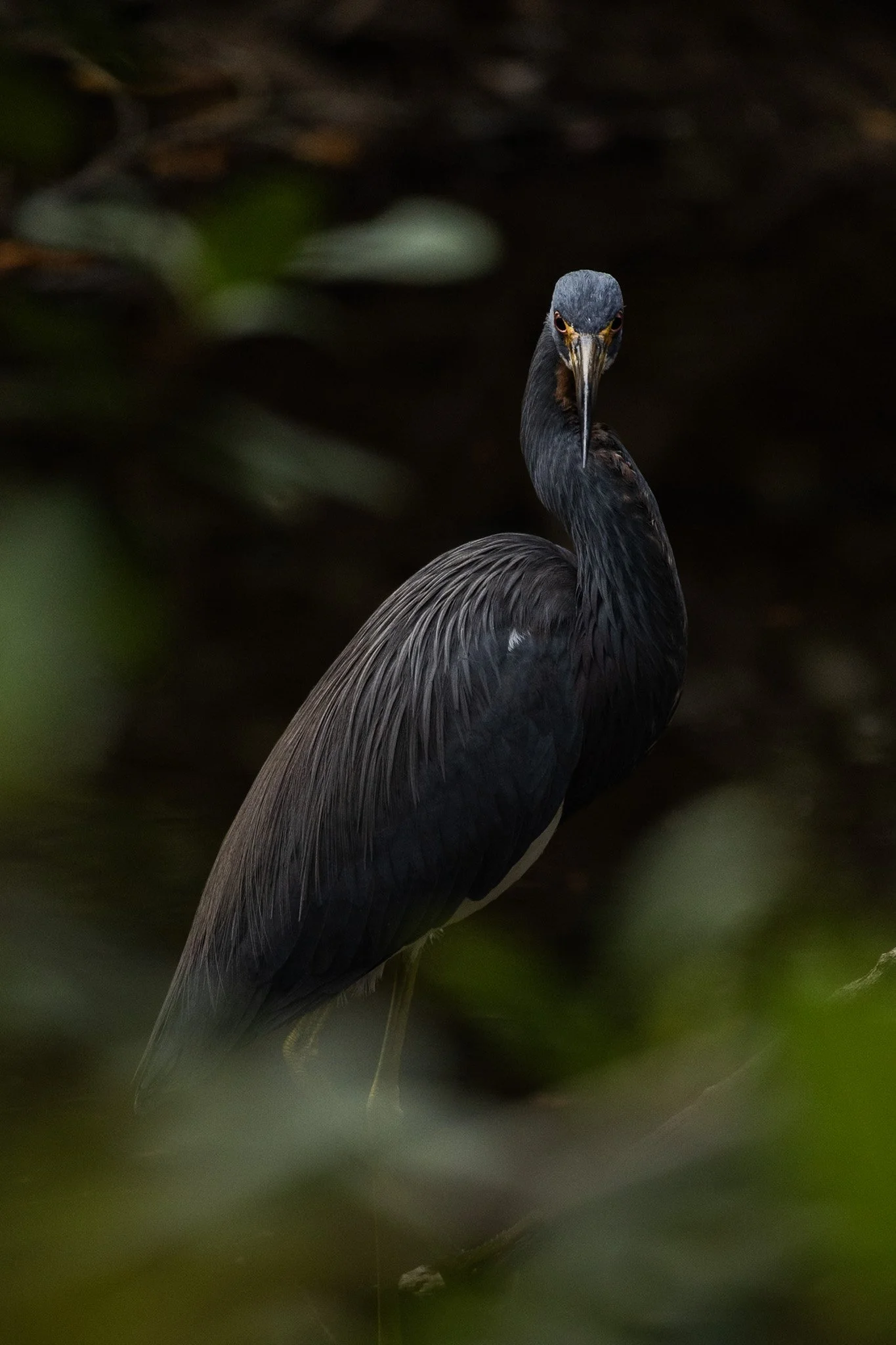
The Tricolored Heron is known for its vibrant plumage, with dark shades of blue, purple. It is an expert hunter, often employing a unique technique where it attracts prey by creating a contrast with its bright chest feathers in the water.
They are social creatures, often found hunting in groups and nesting in colonies with other wading birds. During breeding season, their plumage becomes even more colorful with long, elegant plumes on their heads and necks.
This specific heron was found on a lone dirt road surrounded by trees and swamp on each side. The birds here seem to enjoy a secluded paradise meandering among the Everglades swampy foliage. This guy noticed my lens and gave me a beautiful glare during a moment of soft light creeping through the shadowy of the swamp.

Oregon has been experiencing an uptick in sea lion strandings, particularly along the central and northern coasts. In the fall of 2023, the Oregon Marine Mammal Stranding Network reported several daily calls about sick or dead sea lions.
In Oregon, while pups do sometimes rest alone on beaches naturally, the rising number of reports of lethargic or underweight pups reflects broader ecological challenges. Many of these cases are related to malnutrition, toxins from algal blooms, or disease outbreaks like leptospirosis.
This little guy made my heart pang after running into it when walking into the Devil’s Punchbowl at low tide. There was no one around and I was not sure of the situation until a local apleated and said this was a strange site. We called the OMMSN, and they said it was most likely a mother leaving its pup while it forged some food. We weren’t completely convinced but I had to move on to Portland and could not stay to find out. The local promised to keep an eye out for a couple hours to see if the mother returned.

Enchanted Valley, dubbed the “Valley of 10,000 Waterfalls” requires a 15 mile hike through the Quinault Rainforest in Olympic National Park. One of the few rainforest in the United States, it receives 140-167 inches of rain per year. The precipitation leaves Olympic National Park with one of the most biodiverse ecosystems in the United States.
The Enchanted Valley Chalet at the end of the trail was built in 1931 and was originally meant to be a rustic lodge for hikers, eventually being used during WW2 to monitor potential Pacific Coast enemy threats. After the war it returned to its original purpose for backpackers and rangers.
The area is known for a surplus of black bears, and during our time there over two nights, we were mere visitors in their home. It is not the easiest thing to retire to your tent with a 400 pound black bear scrounging for berries outside it!

Cumberland Island National Seashore, located near St. Marys, Georgia, is a pristine 18 mile stretch of undeveloped wilderness unique to the East Coast. The island is known for its feral horses, possibly left over from the Spaniards during the 1700s.
The island has a long history, and was once owned by the Carnegie Family who then dedicated the island to the National Park Service in 1972. The island has faced various threats to its wilderness status over the years and has been defended through the continuous efforts of Carol Ruckdeschel, one of the few persons allowed to live on the island.
I arrived at Plum Orchard Mansion for a tour of the defunct Carnegie mansion dedicated in 1898. The area is frequented by the wild horses (technically feral) of the island. I was lucky enough to capture this black stallion bathed in light, highlighting its beauty if not also its complicated existence.

Opened in 1937, the Golden Gate Bridge is a marvel of modern engineering. Designed by one Joseph Strauss, the bridge was painted orange to help visibility through the common San Francisco fog. The bridge runs 1.7 miles in length and extends to a height of 746 feet.
Seagulls are a familiar presence around the Golden Gate Bridge. These large, intelligent birds are often seen soaring in the updrafts, perched on railings, or scavenging along the nearby shorelines
This shot was another case of being in the right place at the right time. Arriving at my hotel an hour before sunset completely spent from a full day drive along Big Sur, I dropped my bag in my hotel and immediately started walking towards the bridge. Miscalculating the distance it would take to reach the vantage point I had planned, this shot came as a result of randomly being in the right place at the right time.
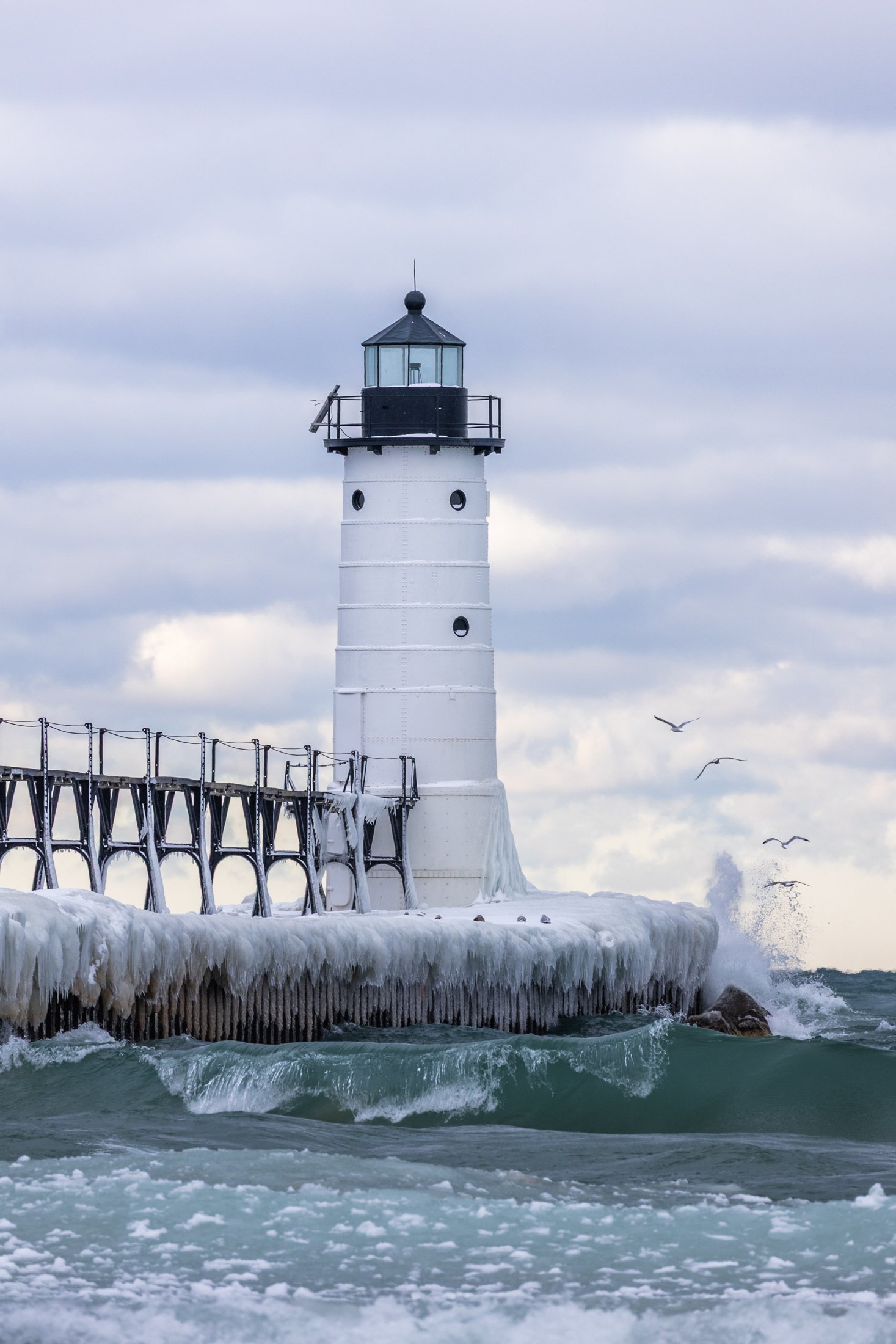
The Manistee North Pier Lighthouse, located in Manistee, Michigan, is as picturesque as any lighthouse can be.
Constructed in 1870, the wooden lighthouse was changed to steel in 1927, providing an important means of safely guiding ships in the lumber industry during the end of the 19th century.
This was my second visit to the Manistee Lighthouse, with both events being particularly cold days. This day just happened to be my birthday. The wind was fierce, and after setting up the shot, I was lucky enough to have some avian tourists enter my frame.
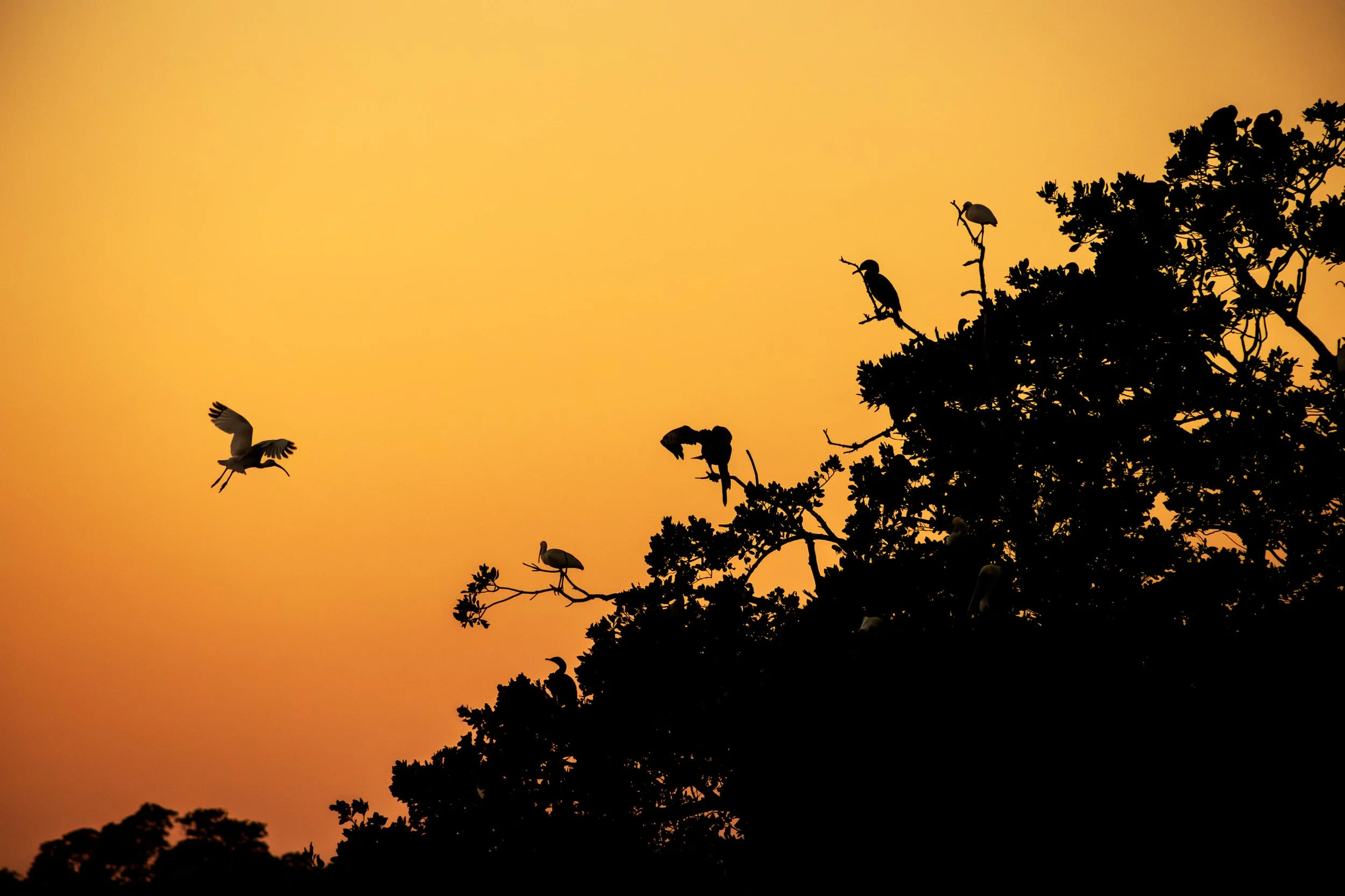
Everglades National Park is a park that doesn’t present itself as grandly as the others, it requires those with patience to see its true beauty.
Known colloquially at the “River of Grass”, the Everglades is one of the only ecosystems to house both alligators and crocodiles. It also contains one of the largest mangrove forests in the world and, due to the diverse ecosystem, all manner of birds make it their home.
I happened to be the lone passenger on as sunset Everglades boat tour and the captain was kind enough to veer off the usual course and tailor it to my photography. At the end of the tour, when he brought me to one of the mangrove rookeries these birds call home, an egret flew into frame and began its landing as I snapped the photo. It was a sunset I’ll never forget.

Yellowstone is home to the largest free-ranging bison population in the U.S., offering a rare glimpse into their natural behavior in the wild.
They live in majestic matriarchal family herds where the experienced older cows provide protection, social structure, and learning opportunities for younger bison while the bulls often live alone or in bachelor groups, joining the family herds during the summer mating season.
Wild bison in the US once ran into the millions but were almost hunted to extinction in the 1800s. Yellowstone now serves as a sanctuary for these creatures, but their protection must constantly be guarded, for while humans have the ability to eradicate nature, they also have the ability to preserve it.

The bison of Yellowstone National Park, in northwestern Wyoming, live in majestic matriarchal family herds. These herds are led by experienced older cows and provide protection, social structure, and learning opportunities for younger bison while the bulls often live alone or in bachelor groups, joining the family herds during the summer mating season.
Yellowstone is home to the largest free-ranging bison population in the U.S., offering a rare glimpse into their natural behavior in the wild. Wild bison in the US once ran into the millions but were almost hunted to extinction in the 1800s. Yellowstone now serves as a sanctuary for these creatures.
When visiting Yellowstone, it becomes readily apparent we are visitors in their home. Traffic is frequently stopped to allow these bison to pass on the road. This shot came from one such instance as the bison herd migrated to the other side of the road.
The area around Starved Rock State Park near Utica, Illinois, is one of the most scenic Illinois has to offer. The Illinois River cuts through the area and was one of the few areas in Illinois not flattened by glacial drift.
This beautiful tree on the bank of the Illinois river is a Sycamore, known as the London Plane. Often planted in the Victorian area to help quell the London pollution caused by the Industrial Revolution, this tree has been a stable of urban development. It can incur a disease known as the Witches Broom, causing the shoots to bunch up which also offers a natural nest for nearby birds.
Camping on the edge of the Illinois after a trip to Starved Rock, I set up my tripod to capture the active birds at sunset, but then this Sycamore caught my eye. The composition of the eerie branches against the beautiful purple glow of the setting sun was mad even better by the birds passing through the area.