
Yellows
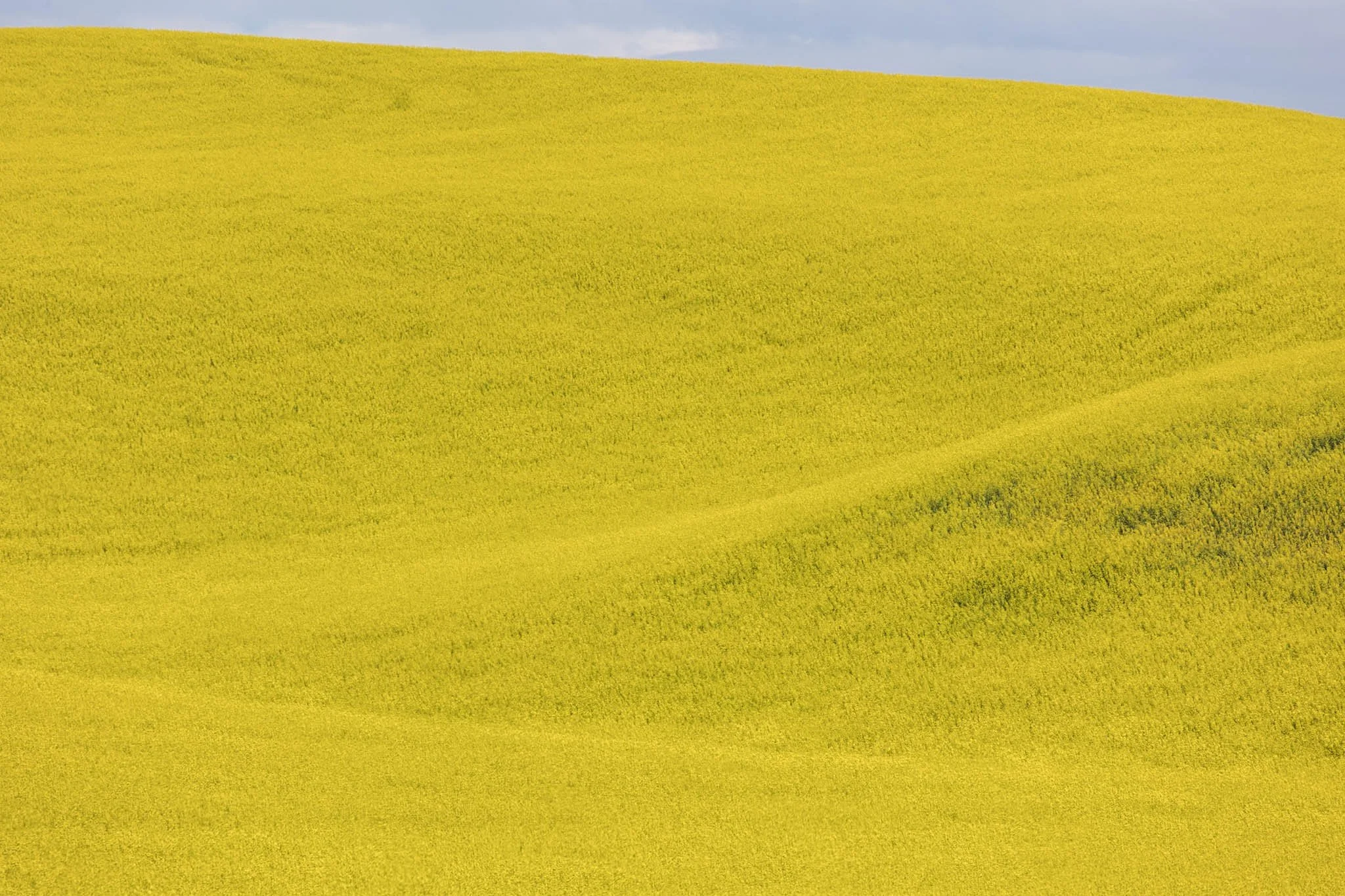
The Palouse region, located in southeastern Washington, extending into Idaho and Oregon was originally home to the Palus people. The area was transformed in the 1800s as settlers arrived under the Homestead Act.
Indigenous communities were displaced, and the land was reshaped by agriculture. The region’s deep loess soil and steep terrain led farmers to adopt contour plowing, giving the fields their signature flowing appearance.
Traveling through the Palouse region was an out of body experience. The word space takes on a new meaning as you meander through its rolling hills. The vibrant colors and different stages of tilling make each turn unique. The sheer amount of yellow extending in the areas growing the canola plant was mind-boggling.

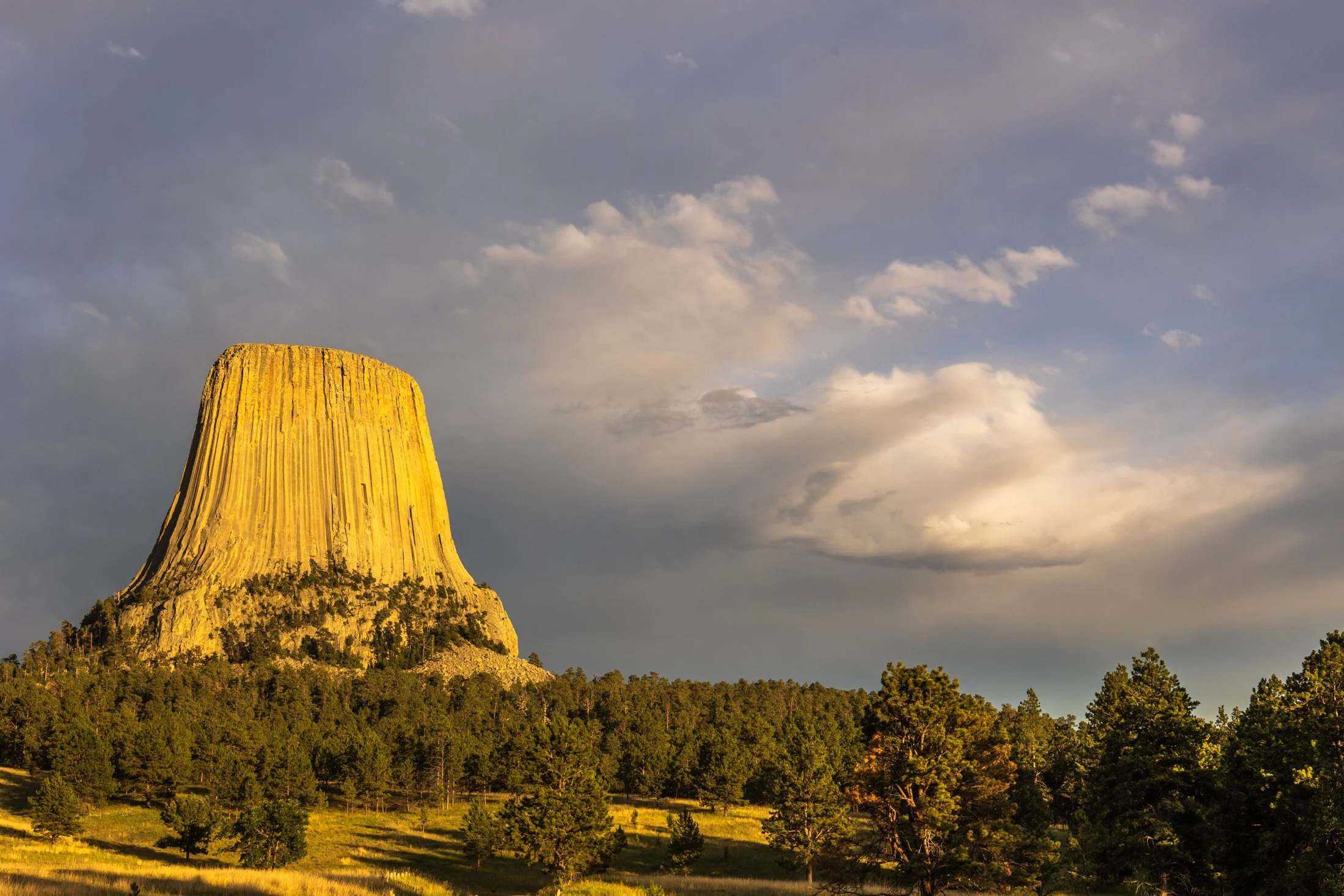
Standing at 867 feet tall, Devil’s Tower, located in eastern Wyoming, has been a sacred site for Native Americans for centuries as well as being featured prominently in “ Close Encounters of the Third Kind” (1977).
One narrative surrounding its formation involves two girls attempting to escape a large bear by scurrying up a rock formation. The Great Spirit, seeing their plight, rose the rock high into the air to protect the. The distinctive basalt columns were formed from the claws of this bear’s attempt to reach them.
After renting a cabin at the nearby KOA, where “Close Encounters of the Third Kind” is shown every night in front of the monolith, I drove to the southern side at sunset to capture the light slowly fading from the tower. While standing there I could only think one thought; the energy of this land is palpable.
Everglades National Park is a park that reveals itself slowly, it requires those with patience and keen observation to see its true beauty.
Known colloquially at the “River of Grass”, the Everglades is one of the largest wetland ecosystems in the world. One of the only places in the world in which both alligators and crocodiles coexist, it also contains one of the largest mangrove forests systems in the world. But it’s true beauty is the sanctuary it provides for all manner of birds make it their home or migratory stopping point.
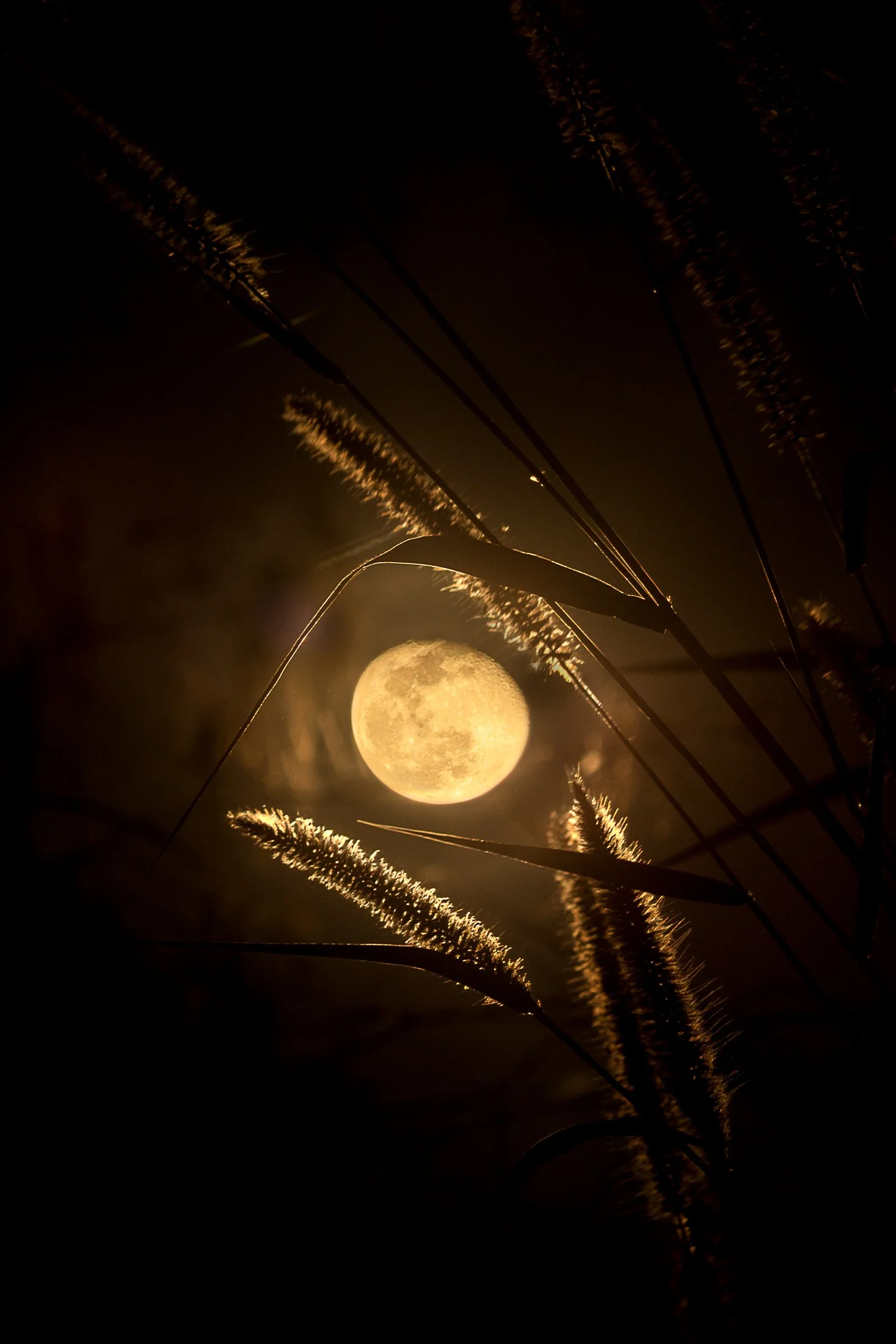
This photo was taken sitting around a fire at my campsite following a long day of kayaking through a mangrove forest strewn with alligators. Requiring the stitching of two photos, this is one of the few images I offer that was not captured in camera due to the nature of how depth of field works in a camera versus our eye, but the light and view was too good to not attempt to emulate what I saw.

The Palouse region, located in southeastern Washington and extending into portions of Idaho and Oregon, was originally home to the Palus people, historically known for breeding strong horses, but the U.S. government did not acknowledge them as a distinct tribe in the late 1800s as settlers arrived under the Homestead Act.
Indigenous communities were displaced, and the land was drastically reshaped by agriculture. The region’s deep loess soil and steep terrain led farmers to adopt contour plowing, giving the fields their signature flowing appearance.
I raced the descending sun following a long drive from Seattle, arriving just in time to catch the sunset atop Steptoe Butte, the one elevated area among the farmland. I set up next to a group of amateur photographers taking a class led by a knowledgeable local — which brings me to an interesting detail about the Palouse: I only encountered two types of people there — farmers and photographers. There might not be a better place to learn photography.

Pictured Rocks National Lakeshore, located near Munising, Michigan, is known nationally as a tourist destination due to its dramatic bluffs overhanging Lake Superior, numerous waterfalls, and stunning fall foliage.
These bluffs, as well as the roads around Pictured Rocks, are accentuated by truly dramatic leaf color change for about two weeks in the fall, leading to a flock of photographers and tourists from all over the world.
Lake superior provided a the perfect complementary hue for these extremely saturated yellow leaves, a rare combination of color in nature.
The Palouse region, located in southeastern Washington, extending into Idaho and Oregon was originally home to the Palus people. The area was transformed in the 1800s as settlers arrived under the Homestead Act.
Indigenous communities were displaced, and the land was reshaped by agriculture. The region’s deep loess soil and steep terrain led farmers to adopt contour plowing, giving the fields their signature flowing appearance.
Traveling through the Palouse region was an out of body experience. The word space takes on a new meaning as you meander through its rolling hills. The vibrant colors and different stages of tilling make each turn unique. The sheer amount of yellow extending in the areas growing the canola plant was mind-boggling.