

Tribal Lands

Tribal Lands
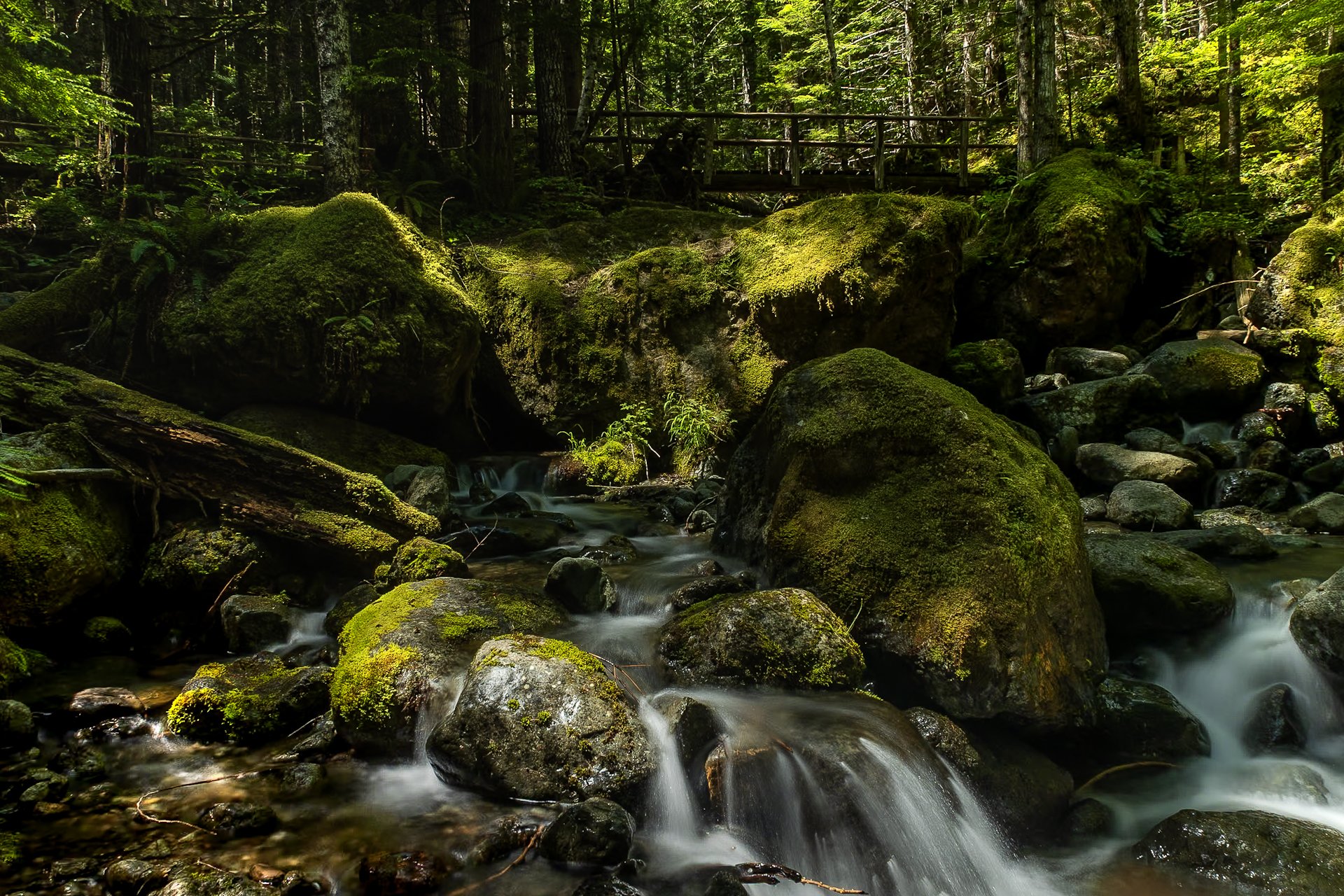
The Staircase area of Olympic National Park is a lesser known area of the park, tucked away along the southeastern edge of the park, near Lake Cushman. It’s known for old-growth forest, moss-draped trees, and multiple rivers flowing through.
This was my third time to Olympic National park and each trip continues to reveal more of its beauty. I stayed in a tiny home near Lake Cushman, which offered early morning access to the trails in the surrounding area.
This particular photo was taken on the Staircase Rapids Loop which follows the Skokomish River through the dense rainforest. Capturing both the cascade and one of the countless bridges crossing the river puts on display the sheer amount of greenery to be found in the only rainforest in the lower 48.
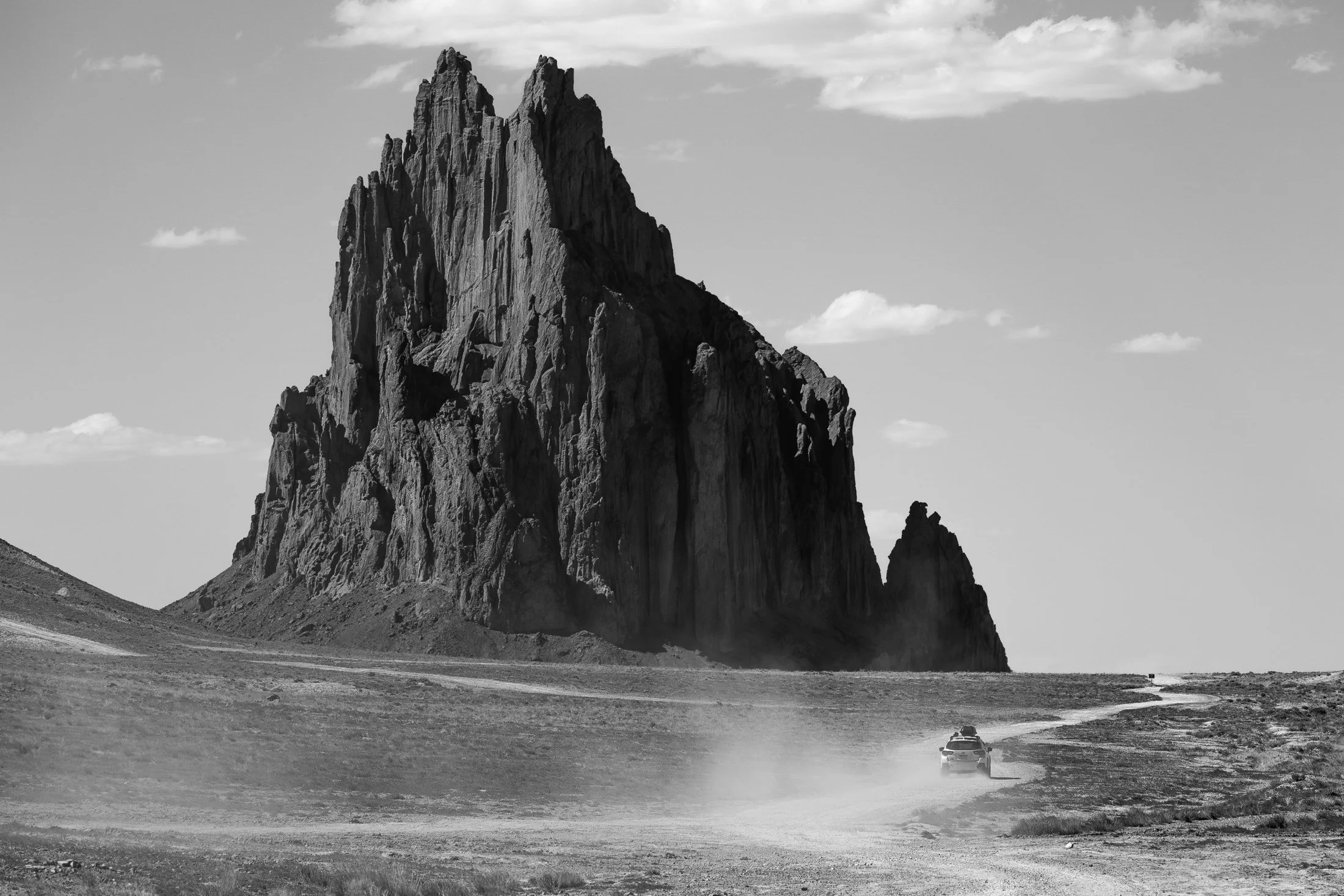
Located outside of Shiprock, New Mexico, the eponymous monolith is known by the Diné as Tsé Bit'a'í, which translates roughly to "Rock with Wings." The sacred site is a significant landmark to the Diné people, and approaching beyond a certain distance is off-limits to non-Diné travelers.
Tsé Bit'a'í is believed to be the remnant of a giant bird that played a crucial role in the creation story of the Diné. The formation, a volcanic neck, rises about 1,583 feet (482 meters) above the surrounding desert and is often considered one of the most iconic geological features in the region.
Upon approach, its gargantuan size becomes apparent, and one is left awestruck. There is no grand entrance, no signs of tourism, just the monolith towering over the surrounding land. A single car drove past, revealing a strange notion of time and space.

Canyon de Chelly National Monument is a joint venture between Navajo Nation and The National Park Service to preserve this unique area of land. The ruins throughout the monument are remnants of the Anasazi who inhabited the region between 750 and 1300 CE.
These people built their domiciles into the sides of the canyon, which offered protection from the elements as well as neighboring enemies. The land is now owned by Navajo Nation and is a sacred site. It is unique for an NPS area in that the Dinë people live on and farm the land.
The sheer size of the canyon is a sight to behold, and this area has been the fascination of photographers since the 1800s, with photographer Edward S. Curtis being one of the first to show its massive scale on celluloid.

Iconic, religious, Hollywood-graced, the East and West Mitten Buttes tower over the landscape at Monument Valley along the Utah-Arizona border.
These buttes hold religious significance for the Navajo People with legend holding that they are the remains of great religious deities. Later John Ford found his home in Monument Valley and made countless westerns there with John Wayne, with the Mittens featuring prominently in films such as “The Searchers” (1956).
Monument Valley maintains one of the best campsites I’ve ever had the pleasure of camping at. It sits atop a sand band looking out towards The Mittens, evoking a drive-in movie theater, replacing the screen with one of the best views in the West. I later focused my efforts on the West Mitten at sunset.

Originally covered by oceans and rivers, Monument Valley is a testament to time. Located on the Colorado Plateau near the Arizona-Utah Border, the valley displays the wondrous effects of weathering and erosion.
With the softer rock being eaten away over time by the elements, the harder rock is left exposed in curious and awe-inspiring formations that have religious significance for the Diné (Navajo) People and iconic significance for the American West.
Pictured here is “Sentinel Rock” profiled with an edge light from the setting sun. I was able to capture this photo right from my campsite, one of the most beautiful I’ve ever camped at, which also sits facing The Mittens.

Iconic, religious, Hollywood-graced, the West Mitten Butte watches over the land of Monument Valley, a stunning area residing along the Utah-Arizona border.
These buttes hold major religious significance for the Navajo. Legend holds they are the remains of great religious deities. Filmmaker John Ford found his home in Monument Valley, countless westerns there with John Wayne, with the Mittens featuring prominently in such films as “The Searchers” (1956) and have now become icons of the American West.
Monument Valley maintains one of the best campsites I’ve ever had the pleasure of camping at, and it is a perfect one for photographing the Mittens. The campsite sits atop a sand band looking straight out towards The Mittens, evoking a drive-in movie theater, replacing the screen with one of the best views in the West.
Antelope Canyon, located in northern Arizona within the Navajo Nation right outside the town of Page, is one of the most picturesque slot canyons in the world. Running over 23 miles, it was formed over millennia through consistent erosion, primarily through the actions of flash floods that sculpt the sandstone rock into smooth, undulating forms.
Having traveled to Page numerous times, I had always opted for Buckskin Gulch, another slot canyon in the area that resides on BLM land and does not require a paid tour. My fourth time in the area I decided to partake on a tour and the views did not disappoint. Guided by a local Diné (Navajo) tour guide, I was entreated to various stories of Navajo belief as well as given a private photography tour of the canyons.
The canyons continually conceal and reveal form throughout the day, as the sun follows its path across the sky. My tour followed a relatively short section of the greater Antelope Canyon, and yet I found I could have spent days here and never arrive at the same photo twice. This abstract section reinforces the stunning tonality and color nature creates in the shade of these canyons.